
Rain Gardens 101
WHAT IS A RAIN GARDEN?
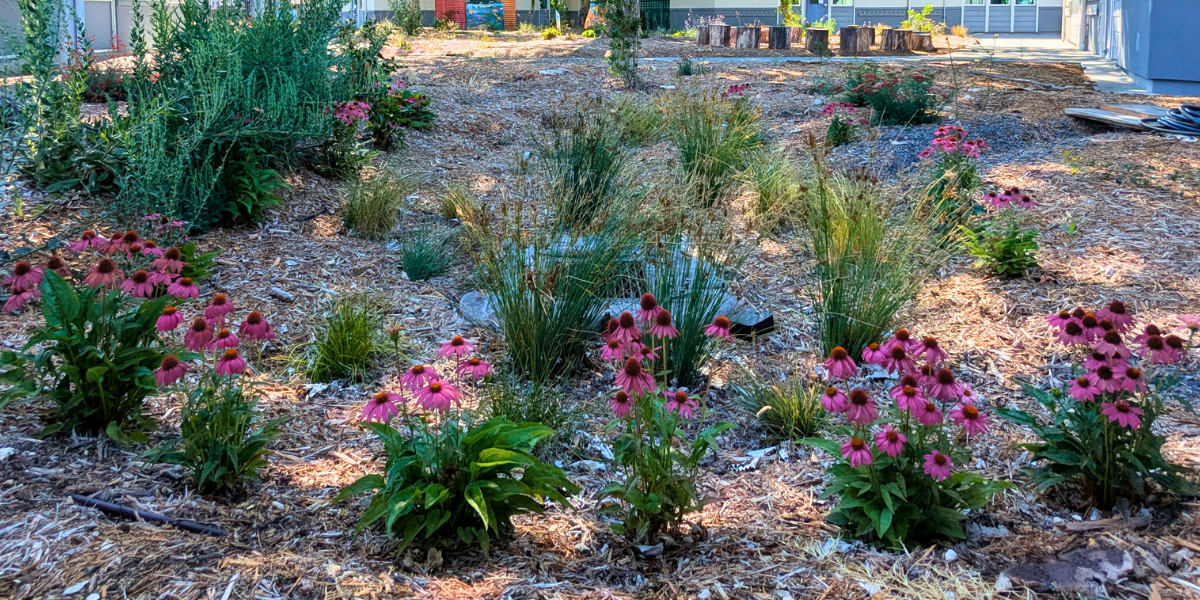
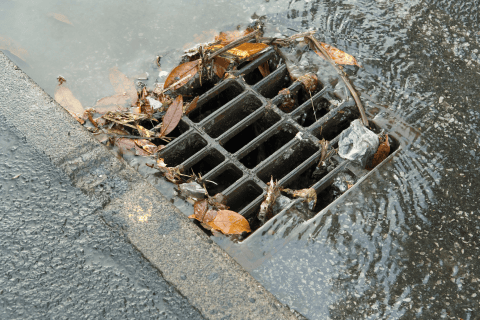
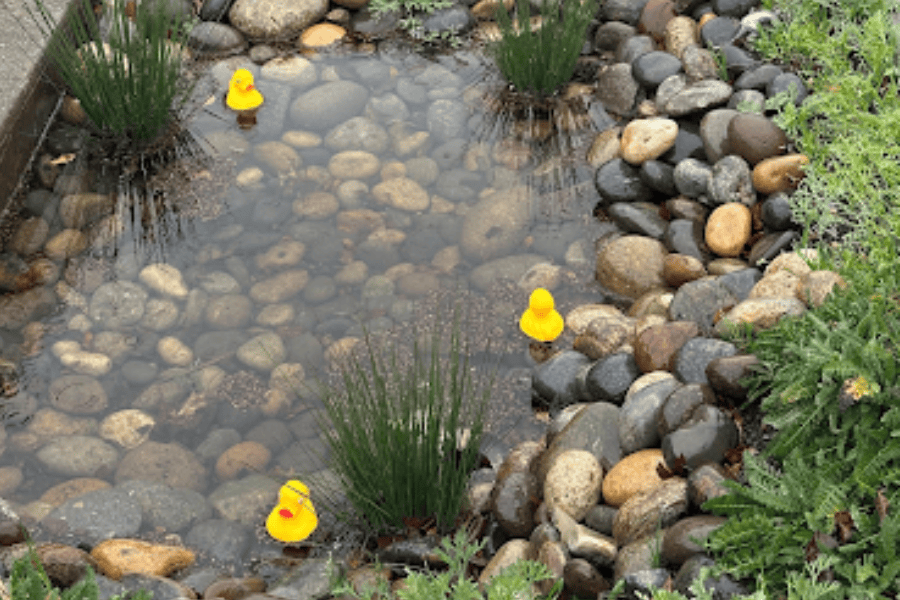
A rain garden is a planted depression in the soil which slows and infiltrates rainwater before it becomes polluted and erosive stormwater runoff. Usually, it is a small garden shaped like a shallow pool or ditch, which collects rainwater from a roof, roadway, or nearby hard surface.
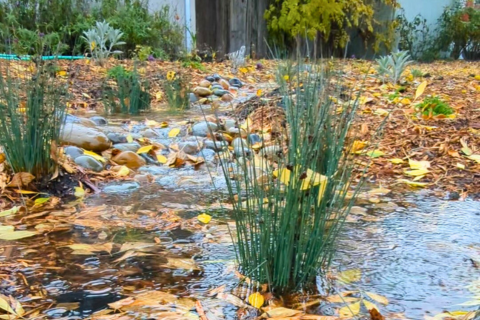
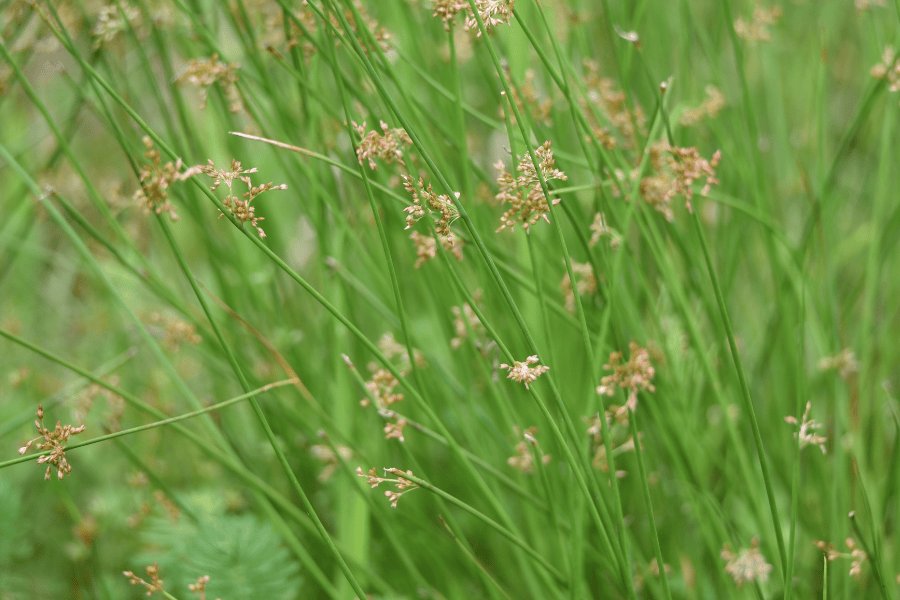
Rain garden plants are chosen to withstand extremes of moisture, as they may be in standing water for parts of winter and then must survive summers with very little moisture. The plants help absorb and infiltrate the water, so are critical component of a functional rain garden.
Ideally, your rain gardens will be sited close to the source of the runoff and serve to slow the stormwater as it travels downhill, giving the stormwater more time to infiltrate and less opportunity to gain momentum and erosive power. It encourages water to walk across the landscape rather than run off.
Rain gardens not only keep our waterways healthier, but they also recharge your soil with high quality water that your plants will love!

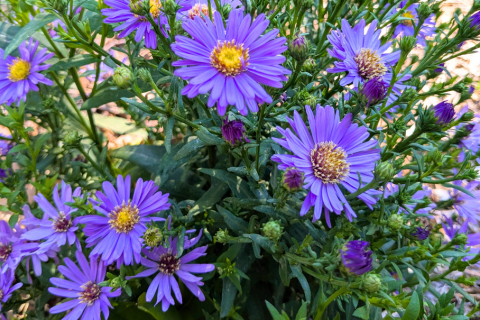
IDEAL PLANTS FOR RAIN GARDENS
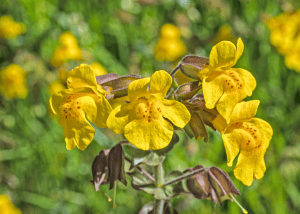
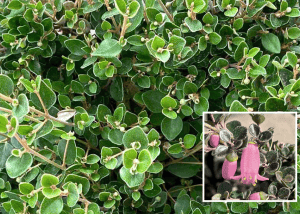
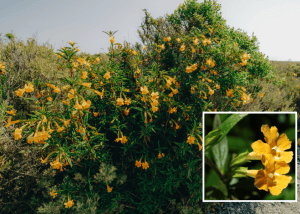
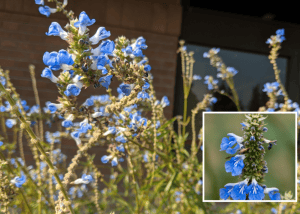
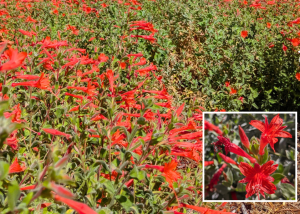
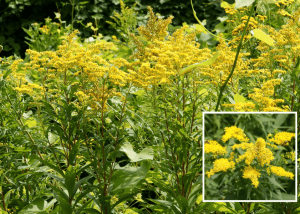
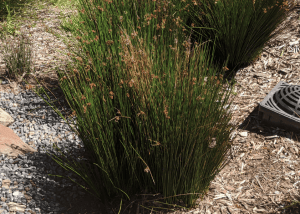
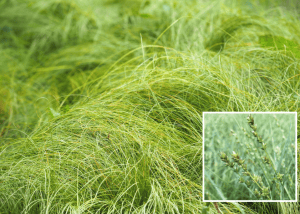
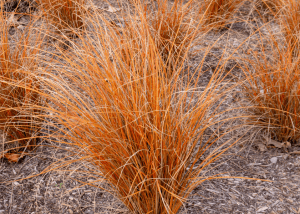
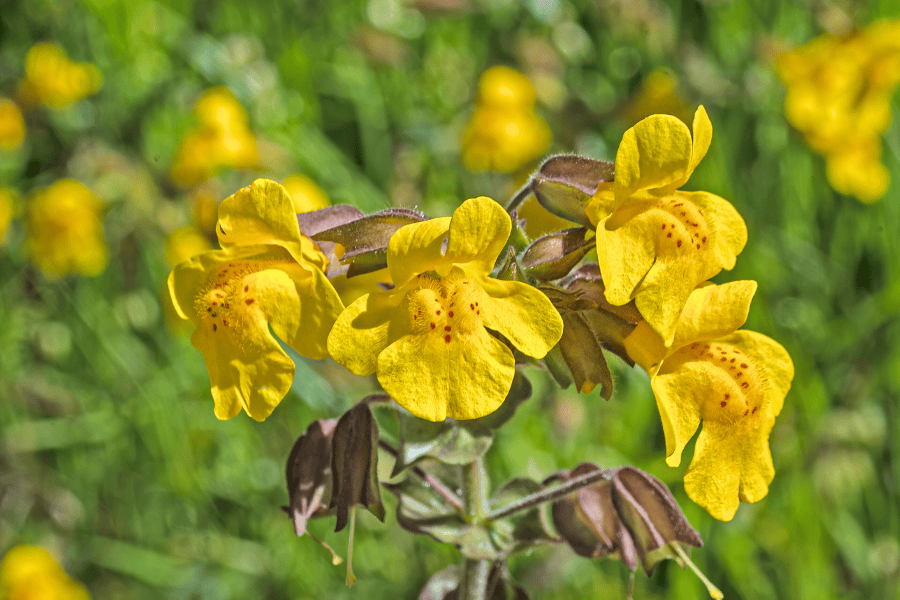
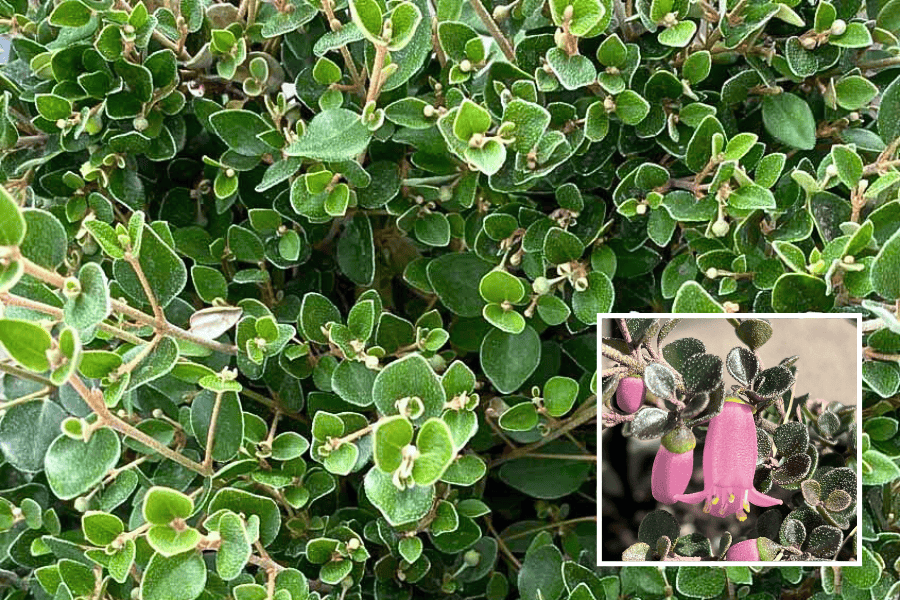
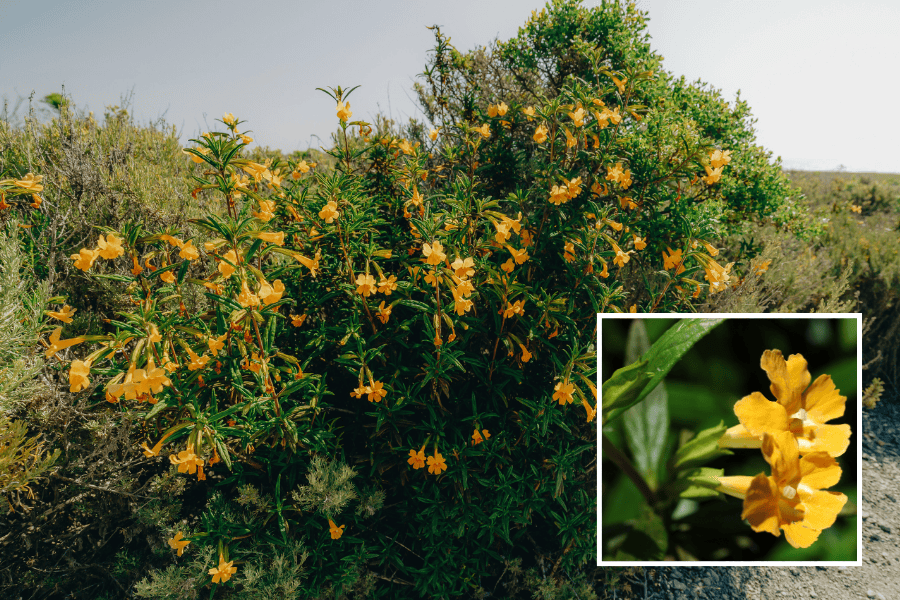
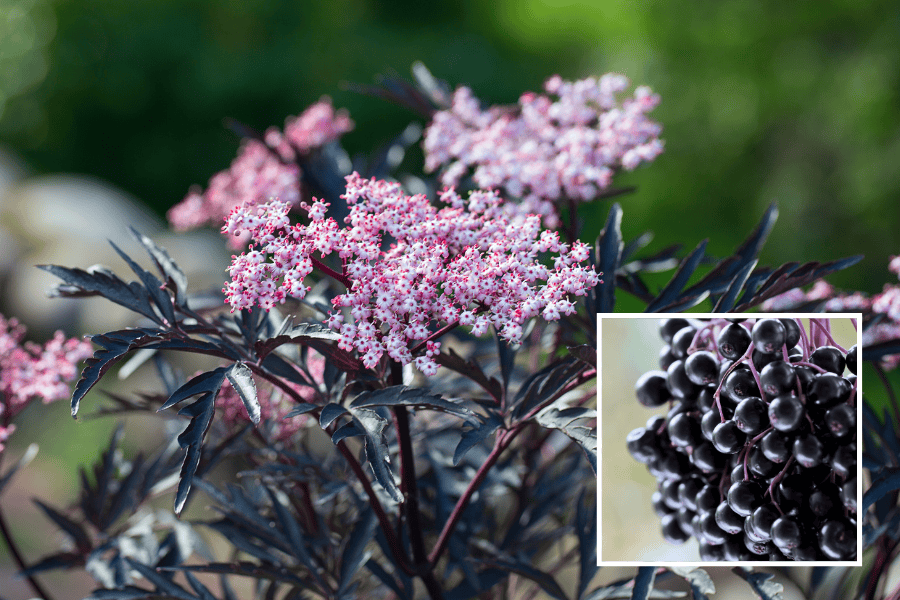
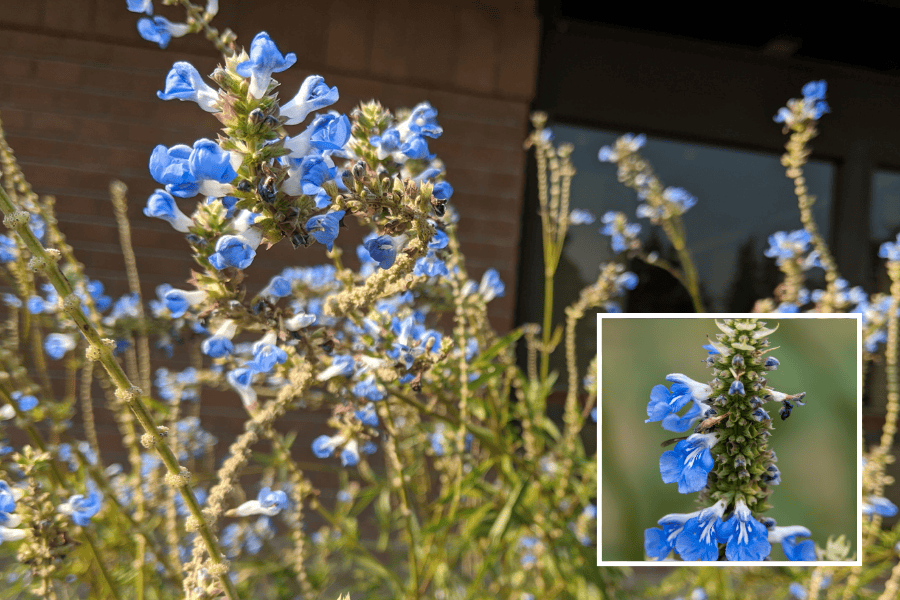
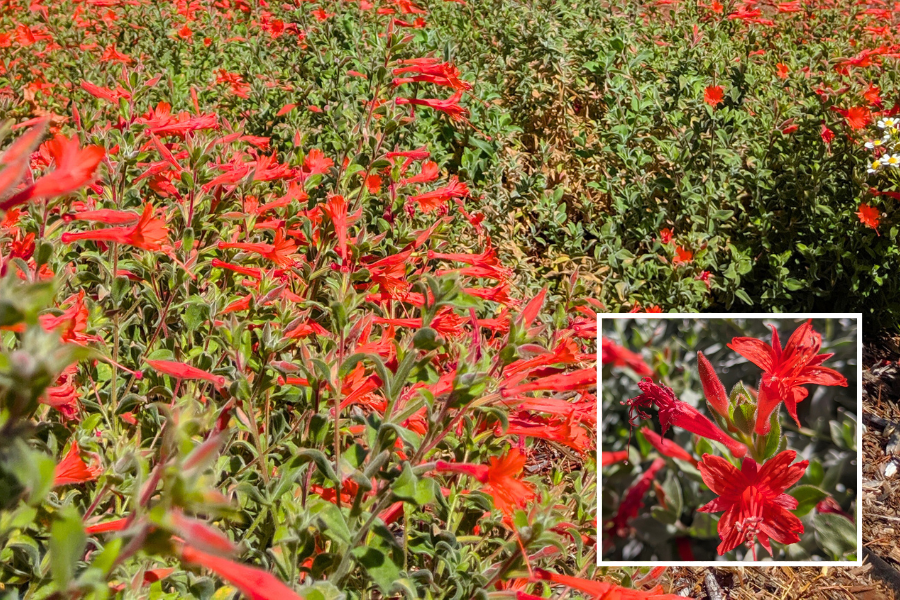
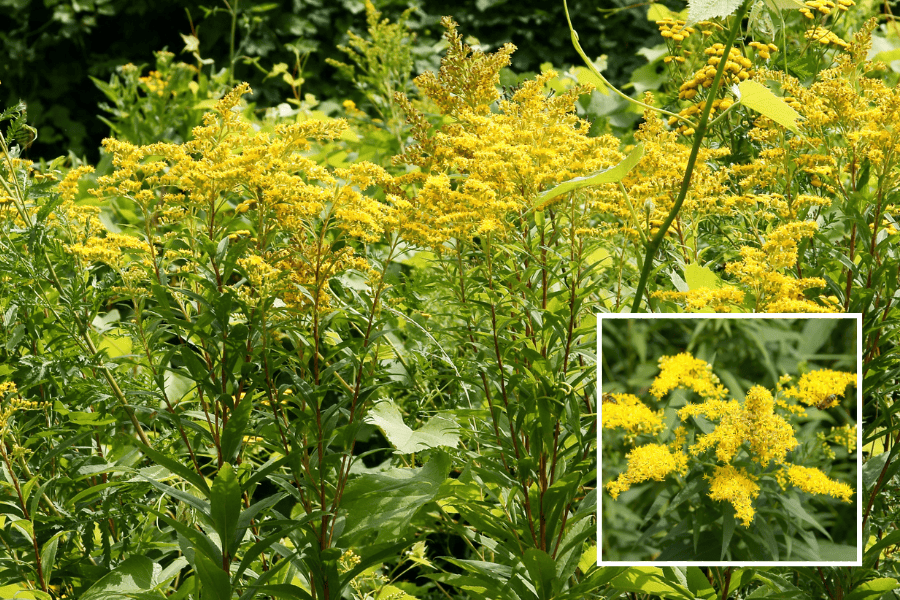
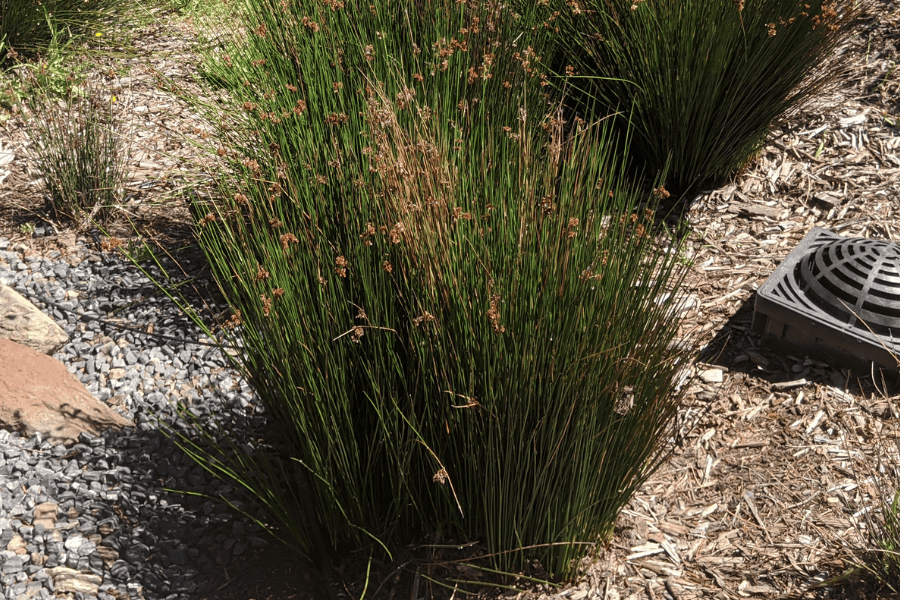
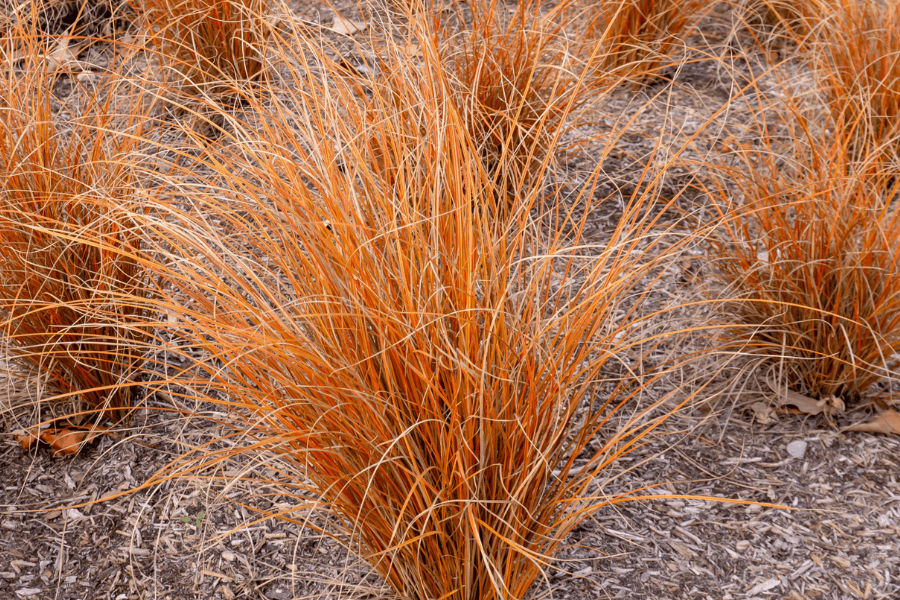
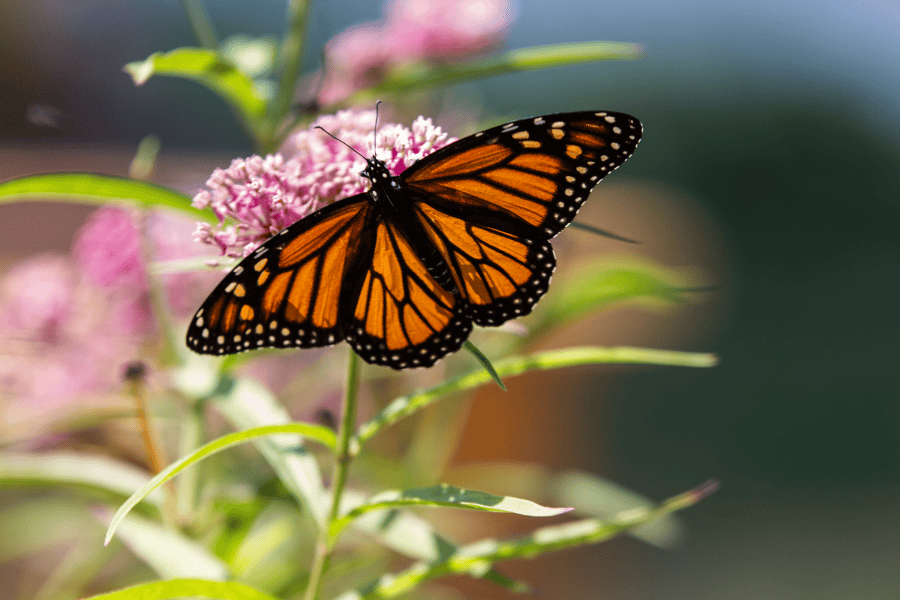
Plants with deep fibrous roots tend to have a competitive advantage in a rain garden and provide the most cleaning and filtration benefits to the environment. Rain gardens are typically populated with natives or native cultivars as these are most well adapted to a locality. Listed below are a few great examples for our region to help you get started: