

Curb Cuts 101
WHAT ARE CURB CUTS?
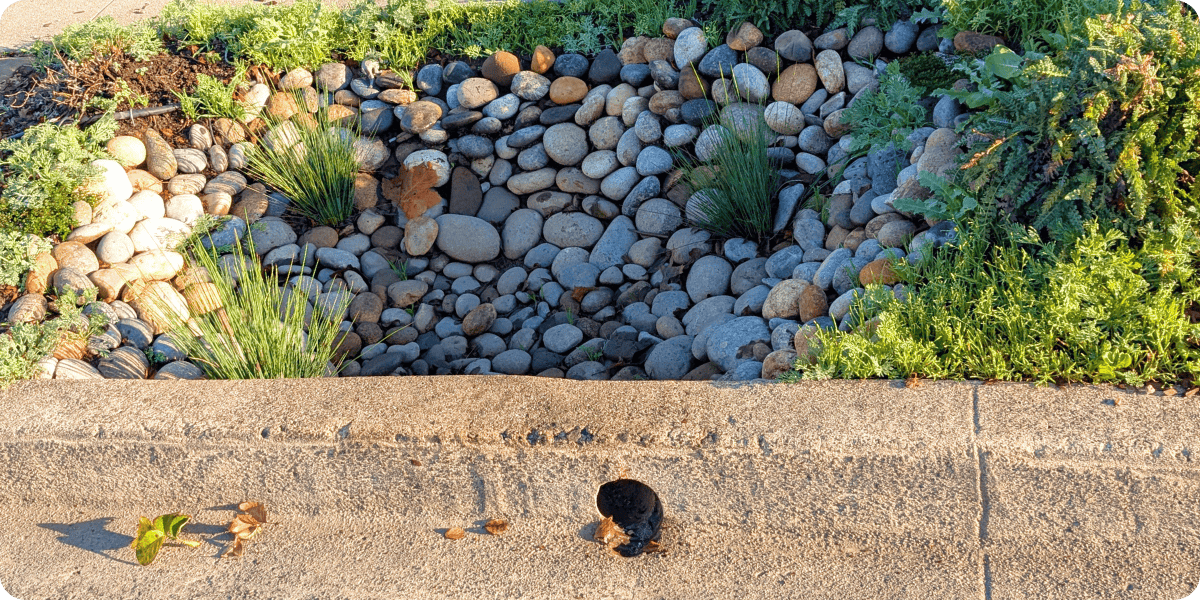
Curb cuts are a simple yet powerful strategy for harvesting stormwater. By creating small openings in street curbs, they allow rainwater that would otherwise be headed for the stormwater drain flow into adjacent landscaped areas, where it can soak into the ground.
The most straightforward curb cut design uses a curb core, or a hole drilled at an angle to guide runoff into a sidewalk basin designed to capture and hold water – demonstrated in the photo above! Once full, any excess water simply continues along to the stormwater drain. By mimicking natural hydrology, curb cuts turn the issue of stormwater runoff into a valuable resource, with the potential to add beauty and restore habitat in our neighborhoods.
BENEFITS OF CURB CUTS
Curb cuts direct runoff into permeable gardens that can offer several key benefits in climates where dry summers and wet winters define the landscape. Benefits of adding curb cuts include:

STORMWATER & FLOOD MANAGEMENT
Curb cuts divert stormwater runoff from streets into permeable planted areas, reducing the amount of water entering storm drains. This is crucial in Mediterranean climates like ours where short, intense rainstorms can overwhelm infrastructure.
GROUNDWATER RECHARGE
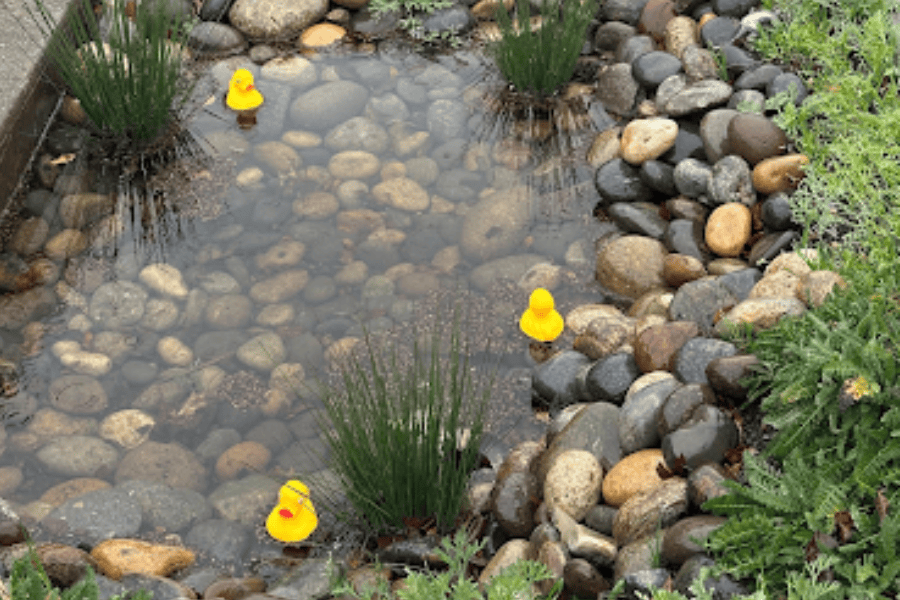
By allowing water to infiltrate slowly into the soil rather than flow away, these gardens help replenish local groundwater, which is especially important in regions like ours with seasonal droughts and depleted groundwater.

SUPPORTS POLLINATORS & WILDLIFE
Using native plants in curb cut gardens can help provide vital habitat for pollinators, birds, and beneficial insects, contributing to local biodiversity and increasing the amount of urban green space in our neighborhoods!
IMPROVES WATER QUALITY
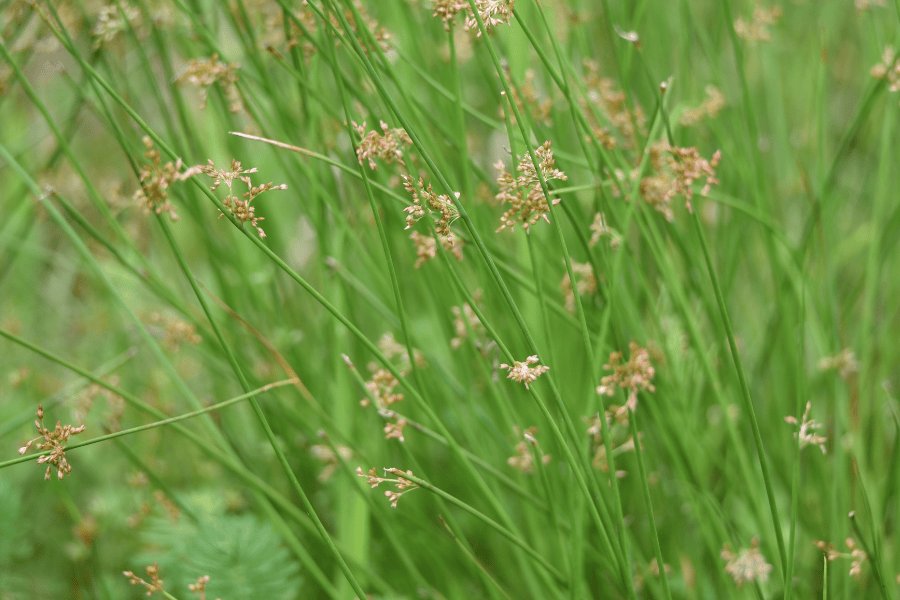
Instead of stormwater being directed to the storm drain, runoff enters the curb cut garden, where soil and plant roots help filter out pollutants before the water can reach waterways.

URBAN COOLING & BEAUTIFICATION
Depending on how they are planted, these gardens can help lower urban temperatures by providing shade and lush greenery that enhances neighborhood aesthetics and improves walking experience.
COMMUNITY EDUCATION
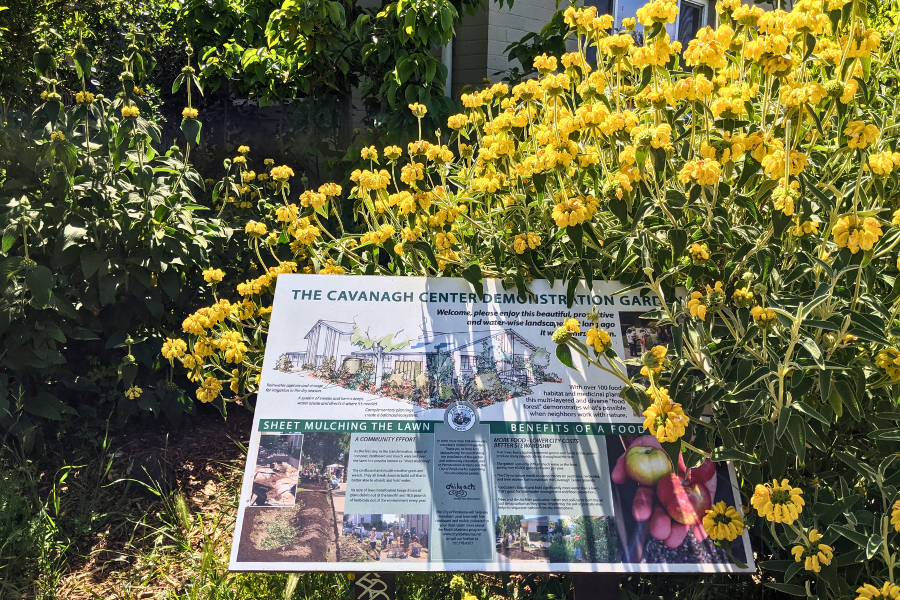
Curb cut gardens serve as visible examples of climate-resilient infrastructure, helping our community understand and implement nature-based solutions to adapt to climate extremes.