

Drip Irrigation 101
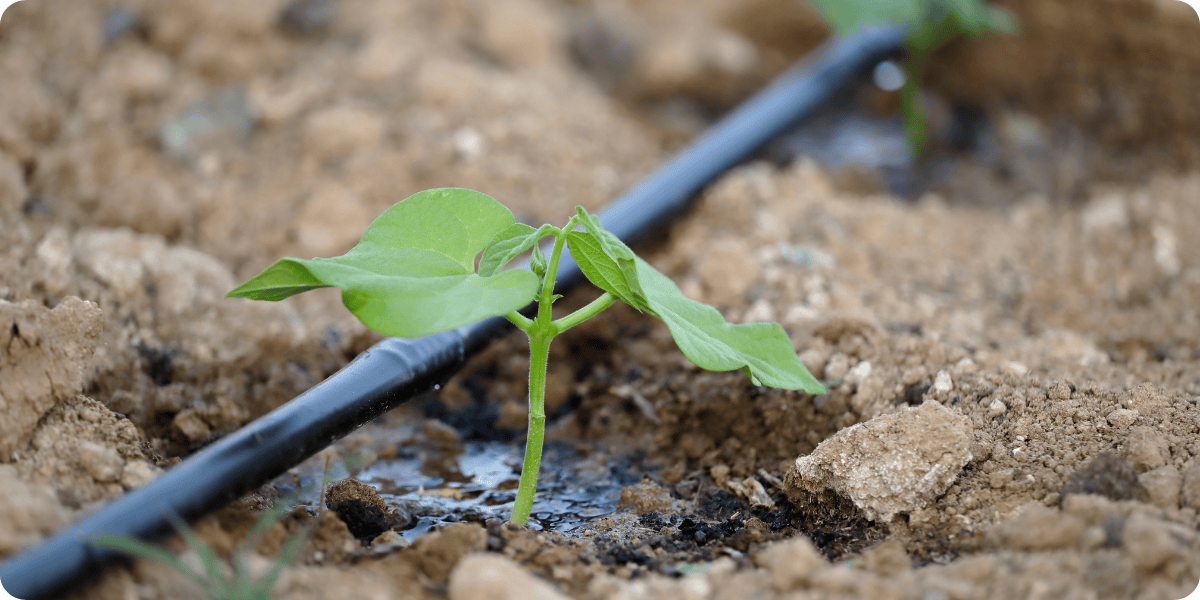
HOW MUCH SHOULD YOU WATER?
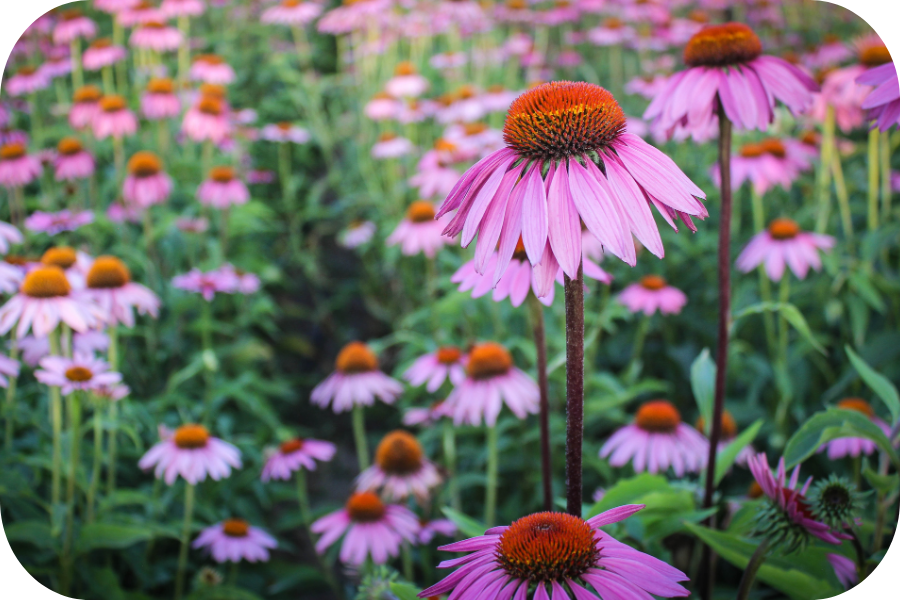
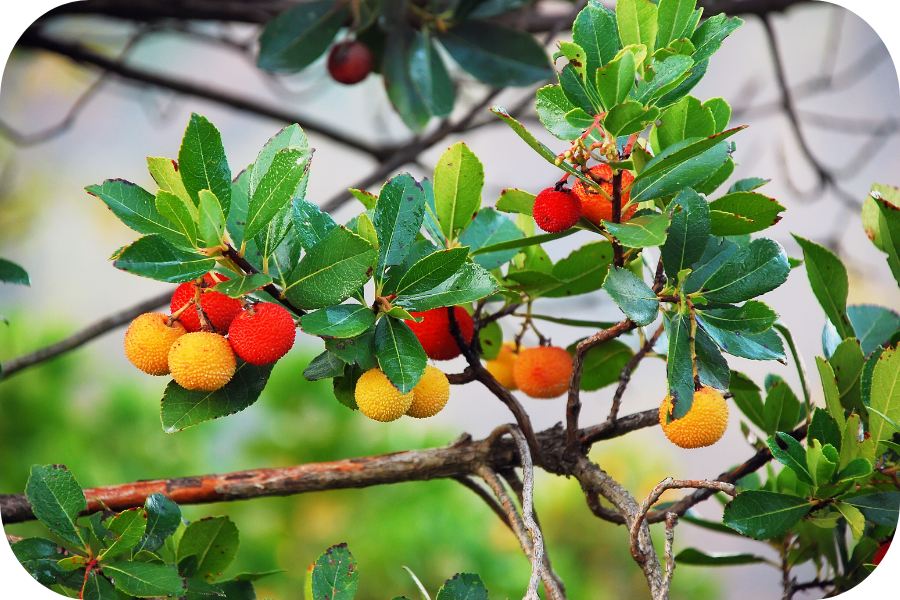
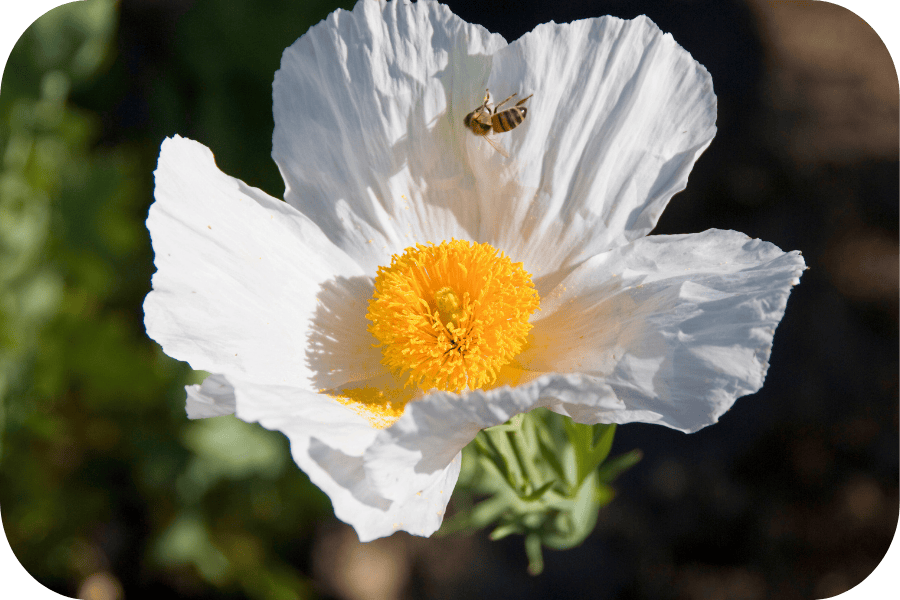
There are a number of factors that influence how long and how often we water our landscapes. Knowing a bit about your plant type, local climate and soil type will help you determine watering needs for optimal health and appearance. The leaf structure and native habitat of a plant are one of the key ways to tell how much water it will need. Plants with large, glossy leaves are likely to have evolved for shady, wet climates, whereas small, fuzzy, deeply lobed, or succulent leaves are all plant adaptations to help cope with dry, sunny weather. Local climate patterns, and even micro-climates within your landscape, will influence how much water needs to be supplied at different times of year. Your soil type will influence the rate at which water is applied to a landscape in order for it to infiltrate the root zone and encourage new growth without causing rot. The following sections describe each of these factors in more detail.

HOW WATER MOVES THROUGH SOIL
Your soil type indicates both how quickly water can infiltrate the root zone and how widely it will be distributed:

Sand is an extremely porous substrate that allows quick water infiltration due its small particle size and lack of organic matter, reducing its overall water holding capacity. Water regularly, as sand dries out quickly, and incorporate as much organic matter as you can to help hold moisture.
Use higher flow rate emitter 1.0 GPH (gallon per hour) or higher and space emitters every 6” to achieve equal distribution throughout root zone.
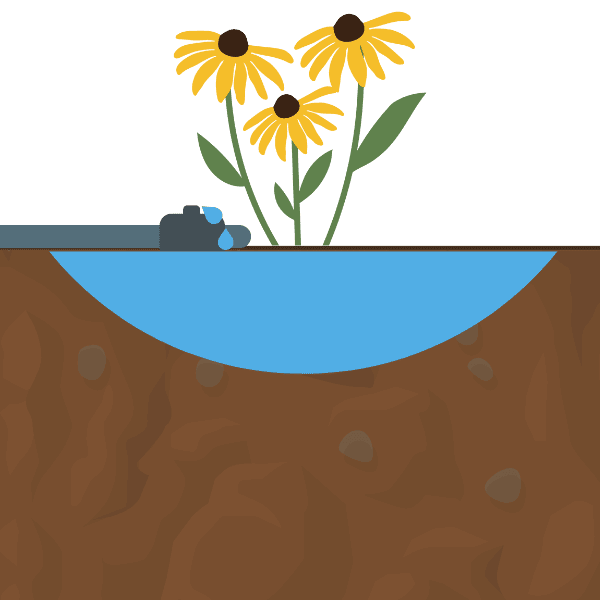
Clay soil has a tighter particle size, allowing it to hold more water for longer periods of time. As water enters this soil it spreads out laterally in a wide shallow fan before moving deeper. Supply small amounts of water with regular but less frequent irrigation cycles to avoid dry, cracking soil or saturated roots in a slow draining bathtub.
Use low flow rate emitter 0.5 GPH or below spaced every 12” to accommodate fanning.

Loam soil is a combination of clay, silt and sand that is porous, retaining moisture while moving excess towards drier spots through capillary action (just like a sponge). Finger test your soil for moisture on the days following irrigation to determine how often to water.
Use emitters with flow rates between 0.5-2.0 GPH for even watering and distribution and 6” or 12” spacing depending on your plant type (veggies vs. perennials shrubs).
PROGRAMMING WATER RUN TIME
Given all of the information above, how do you move from WUCOLS, CIMIS and Soil Type to actually programming water run times?
Follow these steps to help you determine how long and how often to water each hydrozone in your landscape:
- Add up the flow rates of all of your emitters on one zone (or valve):
E.g 32 emitters x 1 gallon per hour = 32 total gallons per hour
- Add up the square feet of canopy area of your hydrozone:
Eg. 16 plants x 7 sq ft = 112 hydrozone square feet
- Now take the flow rate per hour (32) and multiply it by 1.605 (this converts your gallons per hour to inches); then divide that by the area of sq ft.
E.g (32 x 1.605)/112 =.46 Inches per hour of equivalent rainfall
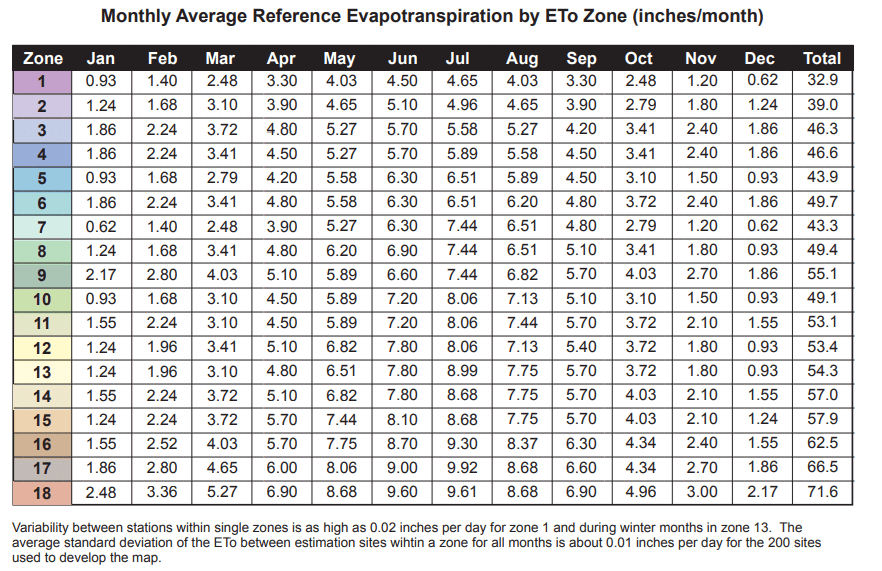
- Then, find your zone on the CIMIS chart and the average amount of water lost during July = 5.89”
- Next, consult WUCOLS to find your plant factor multiplier. E.g. Medium water use plant = .6
- Now multiply 5.89” (inches lost in July) x .6 (plant factor)= 53” of water needed in July / 4 weeks = .88 inches per week needed
- Finally, use this equation to turn inches per hour into controller station run time.
Take what you can deliver in inches per hour x 60 (minutes per hr.) and divide it by what you need in inches per week x days you want to water. See equation below.
E.g (.46 x 60) / (.88 x 3days) = 10.45 minutes, round down to 10 minutes
- Last but not least, go to the irrigation timer and enter 10 minutes 3 days per week! E.g Zone 1 run time 10 minutes, days to water Monday, Wednesday and Friday
Always remember to consider the following when choosing plants and programing water times to ensure an efficiently saturated and happy garden!
- Install similarly rated plants on the same irrigation line e.g. all Low WUCOLS plants.
- Use emitters with flow rates ideal for your soil type, using at least two per plant at the drip line.
- Adjust the amount of water being supplied for seasonal fluctuations in temperature.
- Monitor irrigation while it is in operation to ensure there are no leaks and check on plants for optimal growth.