

Petaluma gardening = community connection
Resources are bountiful for those dreaming of a backyard garden, and you might just meet some amazing people.
LISA LUDWIGSEN
July 3, 2025 | Petaluma-Argus Courier
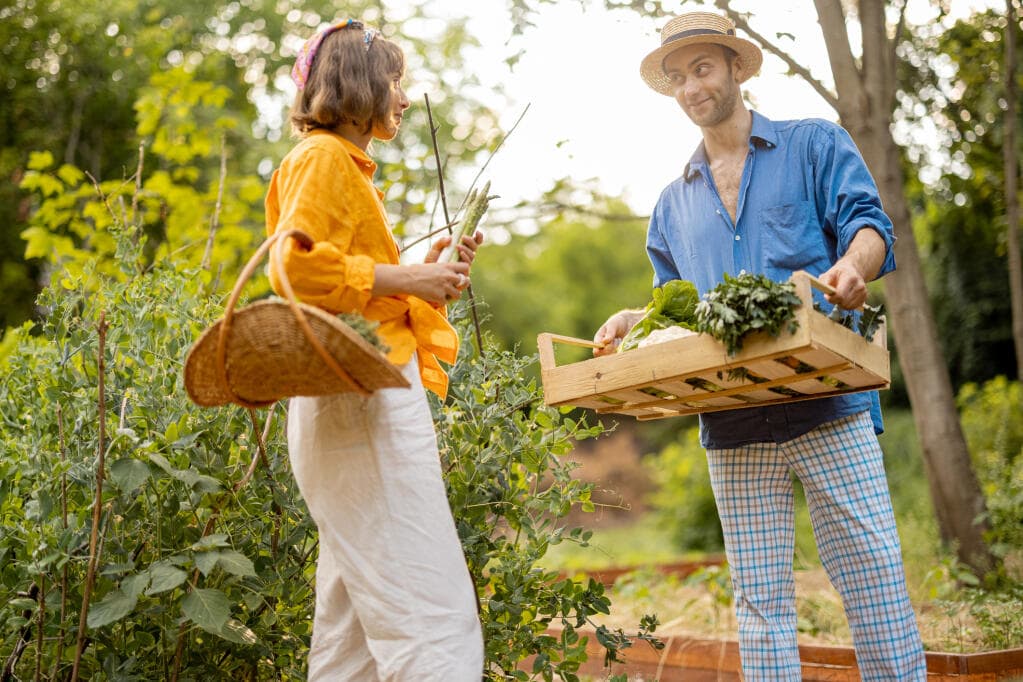
Whether your garden consists of a single tomato tucked into a pot on the patio or a large plot out back, green spaces foster connections, ignite collaboration and cultivate a sense of belonging among neighbors. (Getty Images)
Gardening is often considered a solitary pursuit, but in reality, your humble backyard patch holds an unexpected power to connect you to the broader community.
Whether that garden consists of a single tomato tucked into a pot on the patio or a large plot out back, green spaces foster connections, ignite collaboration and cultivate a sense of belonging among neighbors.
Victory Gardens were a nationwide movement encouraging civilians to grow food to ease the burden on commercial farms during World War II. Jean Ludwigsen, 87, vividly recalls helping her grandfather in his Milwaukee, Wisconsin Victory Garden in the early 1940s.Jean describes helping to grow potatoes, carrots, beets, and greens that they delivered to her grandmother in the kitchen. One of Jean’s favorite Victory Garden activities didn’t involve gardening at all – it was driving around the neighborhood to look at all the neighbors’ gardens.
Those gardens, often set in front yards, provided a focal point for neighbors to meet, interact and share.
Victory Gardens not only gave civilians a tangible way to support the troops, but they also strengthened the food system and contributed to the self-sufficiency of the communities.
In many ways, today’s world is again beckoning us to get our hands dirty and rediscover the importance and satisfaction of self-sufficiency and person-to-person connection through gardening.
Gardens connect families and neighbors. Children who are involved in growing food are influenced throughout their lives. It doesn’t hurt that most kids love gardening.
Petaluma offers abundant opportunities to meet, mingle, learn and find inspiration from gardeners of all kinds. Every gardener, regardless of experience, has something to learn and something to teach. Workshops, informal discussions or even just a quick chat over the fence, all contribute to a collective wisdom that benefits the entire community.
If you’re looking to connect with fellow gardeners reach out to one of these local organizations to learn more and connect!
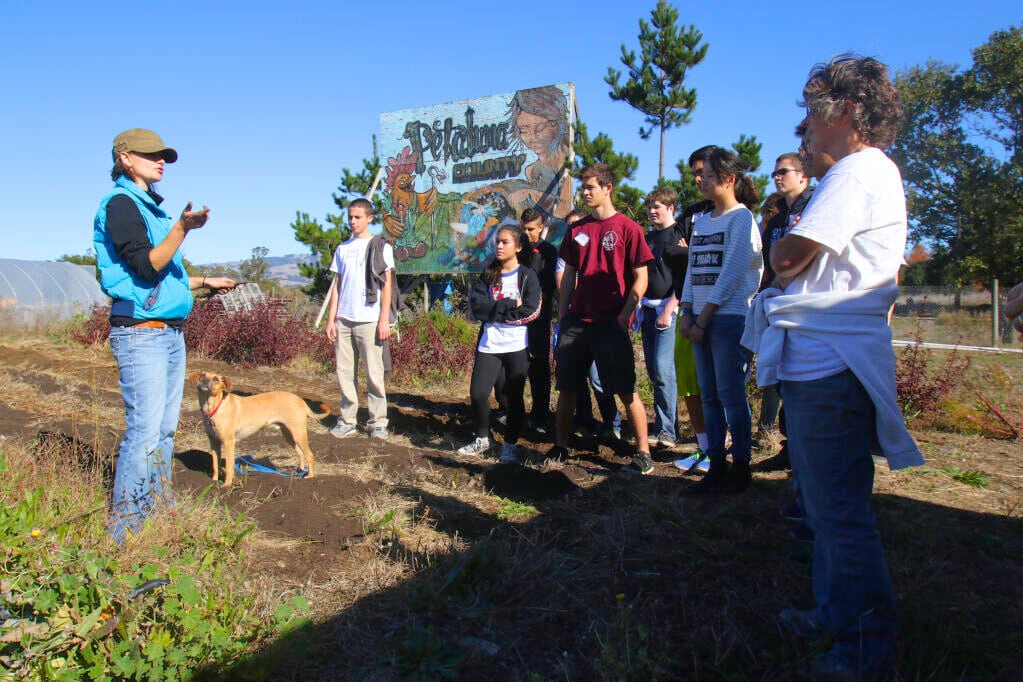
Petaluma Bounty is a community food security project that includes a three-acre urban farm, seven community gardens and a robust community gleaning program known as Bounty Gleaners. (SCOTT MANCHESTER/ARGUS-COURIER STAFF)
Petaluma Bounty is a community food security project that includes a three-acre urban farm, seven community gardens and a robust community gleaning program known as Bounty Gleaners. Since 2006, the Bounty Farm has been providing an excellent opportunity for hands-on learning directly from farmers and volunteers. The farm grows row crops, flowers and heritage fruit trees – along with a few chickens.
The Bounty Farm is fueled by volunteers. Program Director, Suzi Grady, shared, “It is our vision to make Petaluma more food secure by offering learning opportunities as we grow food in community for community.” Grady added that volunteers help keep the farm thriving while expanding their knowledge of farming. She added, “Volunteering also allows people to be part of the solution to the shortfalls of our conventional food system.”
There’s no better way to develop knowledge and meet new gardening friends than spending time on a real urban farm. Check out Petaluma Bounty’s volunteer opportunities here: https://www.petalumabounty.org/
A new urban farm has blossomed just west of Petaluma – the 2-acre Ceres Community Project at Live Oak Farm supports the Ceres Project, which provides medically tailored meals for people with serious illnesses. The Live Oak Farm grows produce and flowers to contribute to meals, as well as educational opportunities for youth wanting to learn about organic gardening. Volunteers are actively involved in developing this new farm, now entering its second growing season. Find them at https://www.ceresproject.org/volunteer/adults
Another new kid on the block is the Neighborhood Gardening Initiative (NGI), a grassroots Black and Queer-led nonprofit founded with the simple mission to put a “garden in every home.”
Founder Ammon Jordan said, “We want to share our knowledge and bounties with one another and continue to help put the food system back into the hands of the people.” Ammon noticed the disconnect of people’s understanding of where their food comes from while working for Whole Foods. “Whole Foods’ training about food production fundamentally shifted my understanding about the food system.” Further education through SRJC helped him further understand what it takes to grow food. “I could touch and see what actual acres look like,” he added.
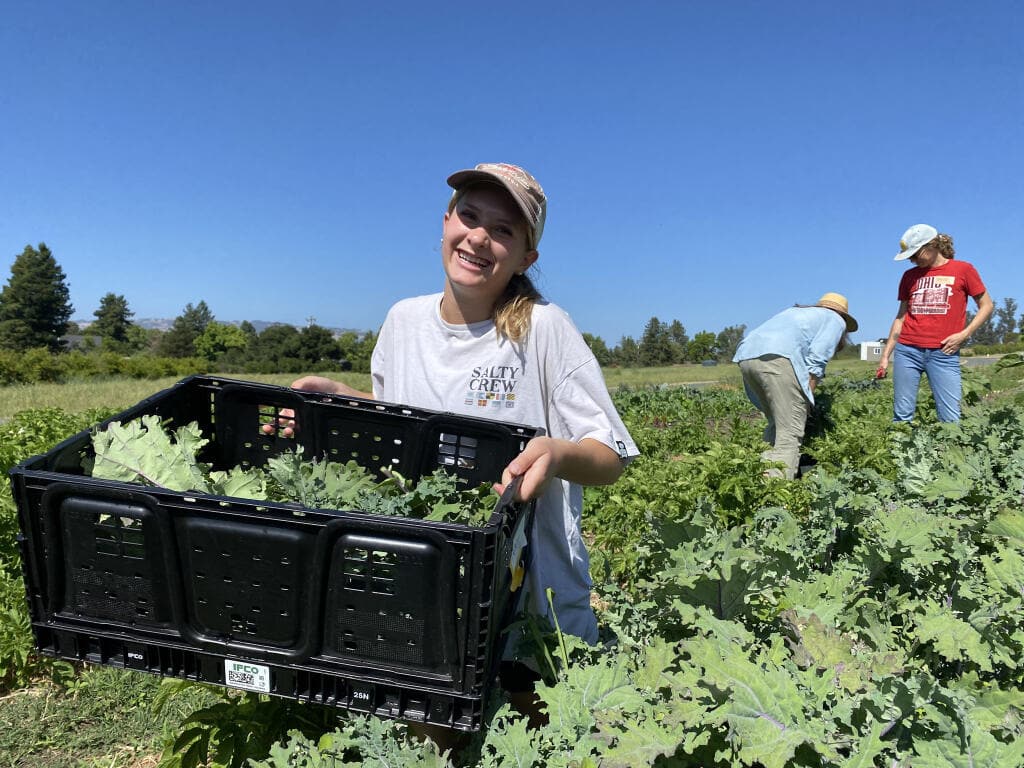
The NCI wants to share that knowledge and increase local food production through backyard gardens, especially for underserved communities.
The Backyard Garden Initiative has installed 30 gardens since 2020, with nine in Petaluma. Costs are minimal. If you would like help establishing a new garden for very low cost, or to donate to their cause or volunteer contact neighborhoodgardeninitiative.org
With an eye toward building climate resilience, Daily Acts has been inspiring people to create a regenerative, resilient, world since 2002. Look to Daily Acts for free in-person workshops delving into topics like pruning fruit trees, water-wise gardening and creating new gardens. https://dailyacts.org/upcoming-events/
The Master Gardeners of Sonoma County also hold regular in-person workshops at the Petaluma Library and other locations in Sonoma County. From installing drip irrigation systems to planning summer or fall gardens or managing garden pests, Master Gardeners offer hands-on classes free of charge. Home gardeners can even schedule a home visit from a Master Gardener for a consultation. Check out upcoming workshops and other offerings here http://tinyurl.run/LMeybi
Whichever way you choose to improve your gardening prowess, remember that the unassuming backyard garden is far more than just a source of fresh produce.
It is a powerful engine for community building.
Through the simple acts of sharing, conversing, learning, and collaborating, backyard gardening builds a rich fabric of human connection. Something so simple gives us so much. What are you waiting for?