
Rain Gardens 101

WHAT IS A RAIN GARDEN?

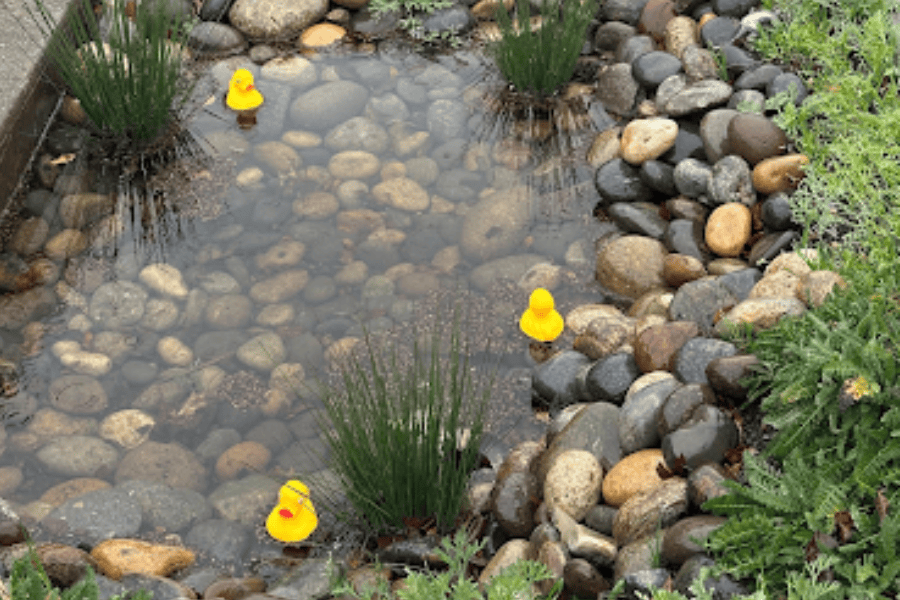
A rain garden is a planted depression in the soil which slows and infiltrates rainwater before it becomes polluted and erosive stormwater runoff. Usually, it is a small garden shaped like a shallow pool or ditch, which collects rainwater from a roof, roadway, or nearby hard surface.

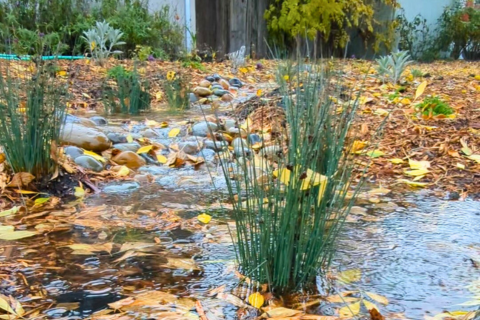
Rain garden plants are chosen to withstand extremes of moisture, as they may be in standing water for parts of winter and then must survive summers with very little moisture. The plants help absorb and infiltrate the water, so are critical component of a functional rain garden.

Ideally, your rain gardens will be sited close to the source of the runoff and serve to slow the stormwater as it travels downhill, giving the stormwater more time to infiltrate and less opportunity to gain momentum and erosive power. It encourages water to walk across the landscape rather than run off.

Rain gardens not only keep our waterways healthier, but they also recharge your soil with high quality water that your plants will love!
DESIGN CONSIDERATIONS FOR RAIN GARDENS

Rain Gardens are best placed near the source of runoff although with enough margin so as to not cause damage to the foundation of the structure. Here are some other tips to consider when designing your rain garden:

  • Avoid damage to roots and foundations; place gardens a minimum of 10’ away from any structure or shallow-rooted trees.
  • Maintain a 3:1 or 2% slope until you reach the “edge” of the 8-12” basin to allow water to pool and percolate, preventing erosion.
  • Keep it away from your septic system and drain field, rights of way, and underground utilities or service lines to avoid damage and contamination.
  • Place in in full or partial sun, so as to ensure evaporation in the event of excess water pooling.

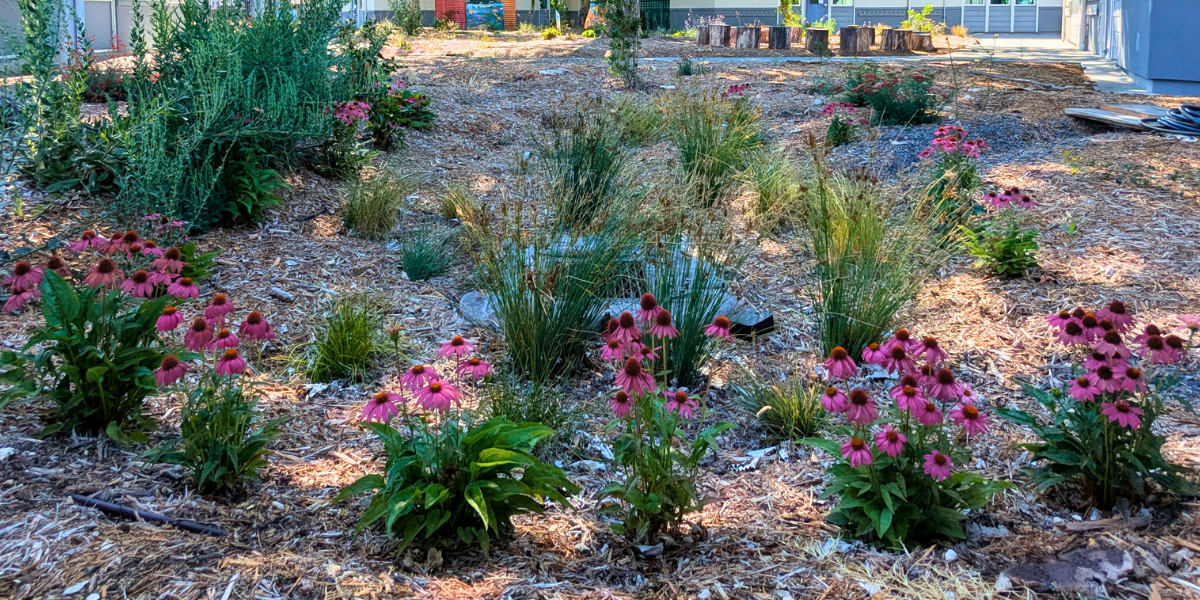
Residential Rain Garden, Daily Acts

BENEFITS OF RAIN GARDENS

Rain gardens offer a range of environmental and community benefits — from improving water quality and reducing flooding to conserving water, creating wildlife habitat, and so much more:

REDUCES STORMWATER RUNOFF

By capturing rain where it falls, rain gardens slow and hold stormwater, preventing large volumes of polluted runoff from rushing into nearby creeks and rivers. This protects aquatic ecosystems and keeps waterways cleaner.

FILTERS POLLUTANTS FROM RUNOFF

As water moves through the garden’s soil and plant roots, pollutants such as oil, fertilizers, salt, pesticides, metals, and bacteria are naturally filtered out, improving the quality of water that eventually reaches streams and groundwater.

GROUNDWATER RECHARGE

By allowing water to infiltrate slowly into the soil rather than flow away, these gardens help replenish local groundwater, which is especially important in regions like ours with seasonal droughts and depleted groundwater.

FLOOD MANAGEMENT

Rain gardens divert stormwater runoff into permeable planted areas, reducing the amount of water entering our streets. This is crucial in Mediterranean climates like ours where short, intense rainstorms can overwhelm infrastructure.

SUPPORTS POLLINATORS & WILDLIFE

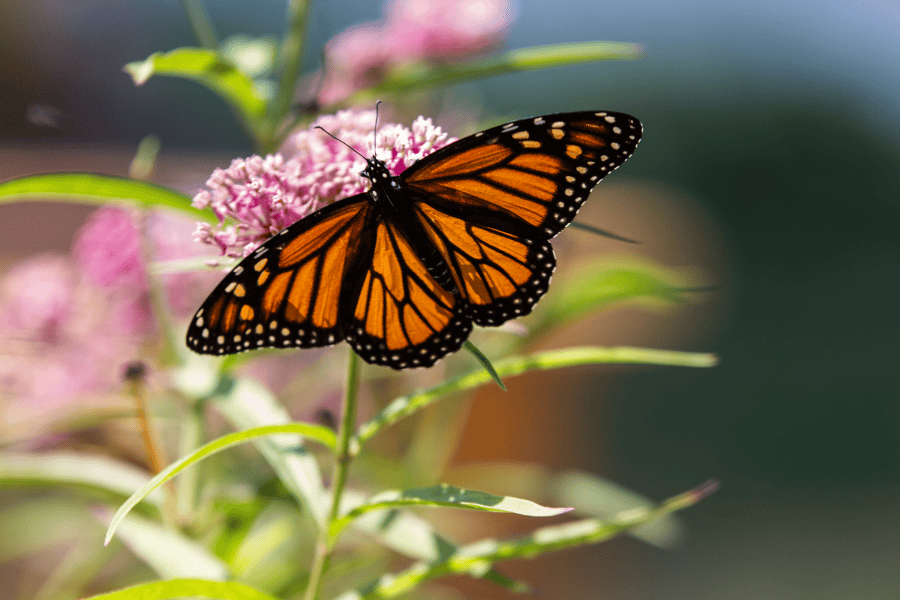
Using native plants in curb cut gardens can help provide vital habitat for pollinators, birds, and beneficial insects, contributing to local biodiversity and increasing the amount of urban green space in our neighborhoods!

CONSERVES WATER

Rain gardens make use of free rainwater instead of relying solely on irrigation. The water-saturated soil acts like a full sponge, nourishing plants long after storms pass and reducing the need for supplemental watering.

IDEAL PLANTS FOR RAIN GARDENS

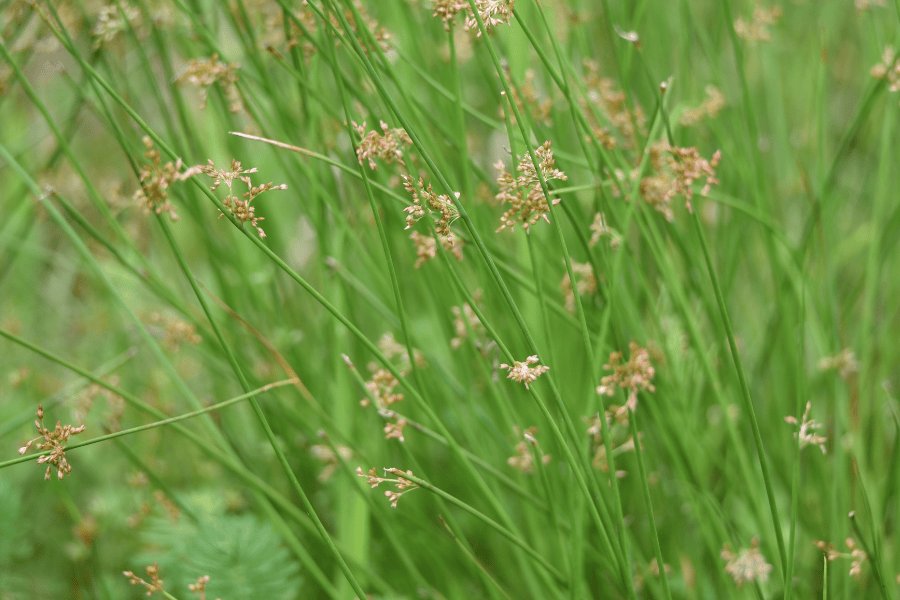
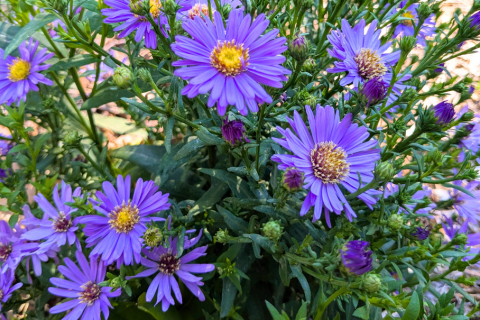
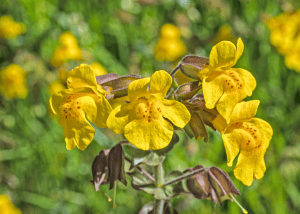
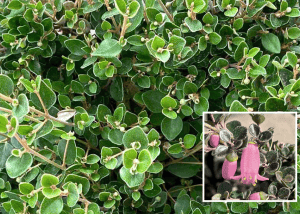
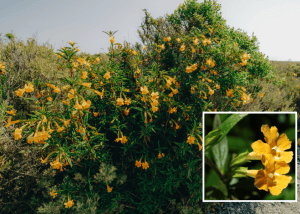
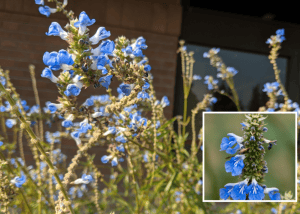
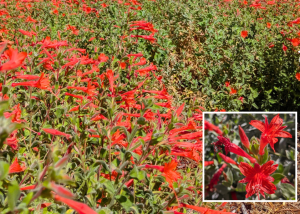
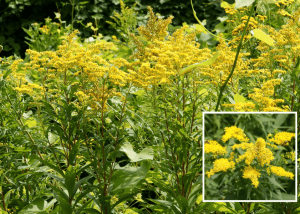
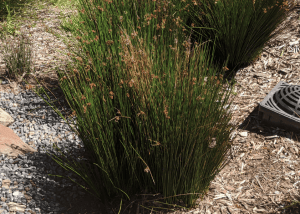
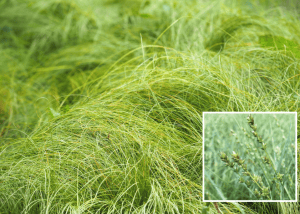
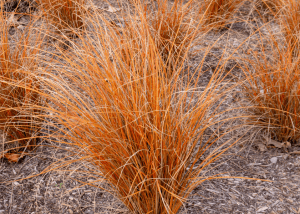
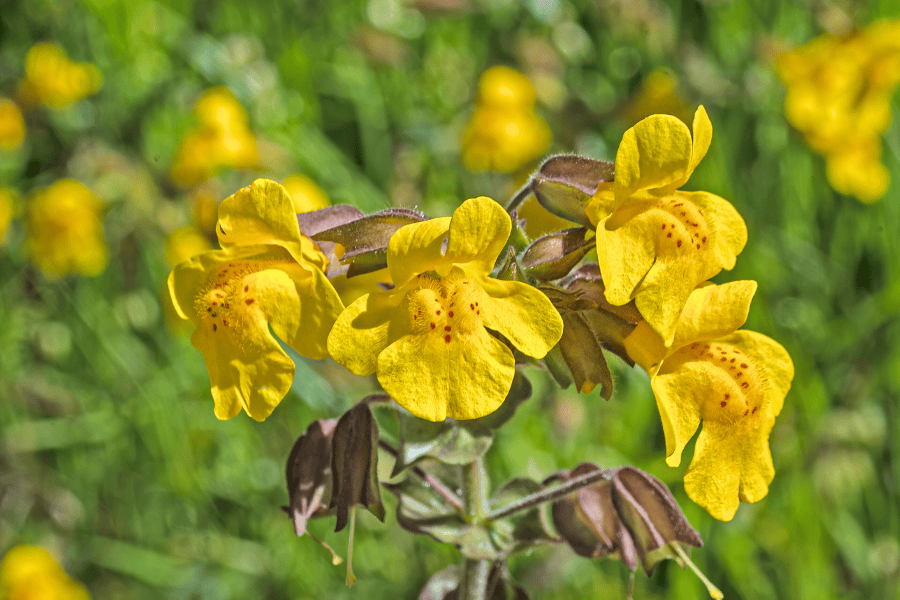
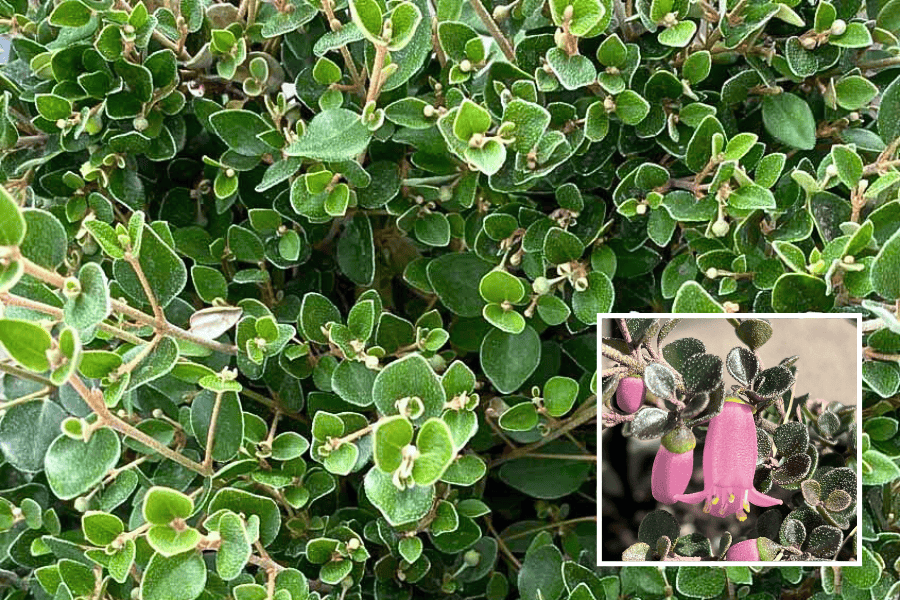
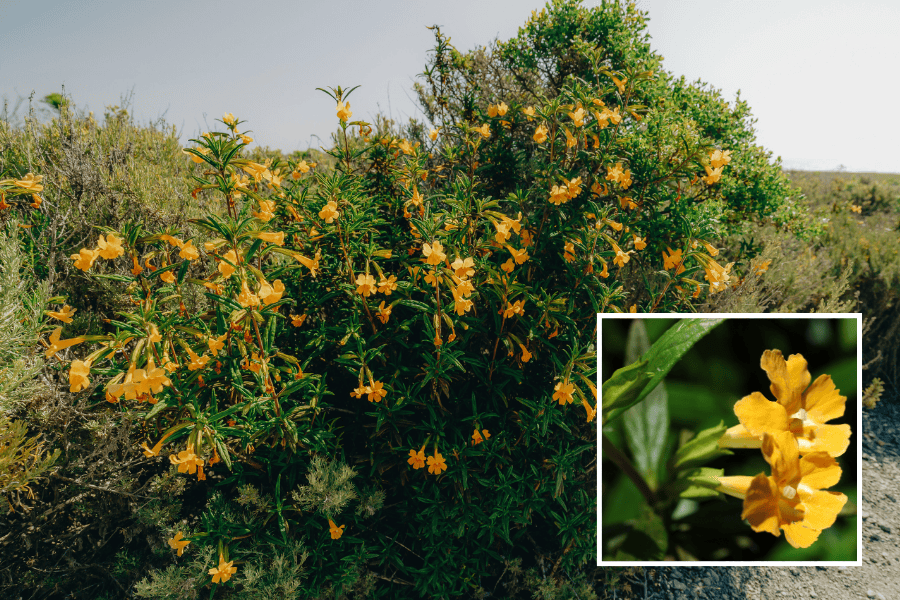
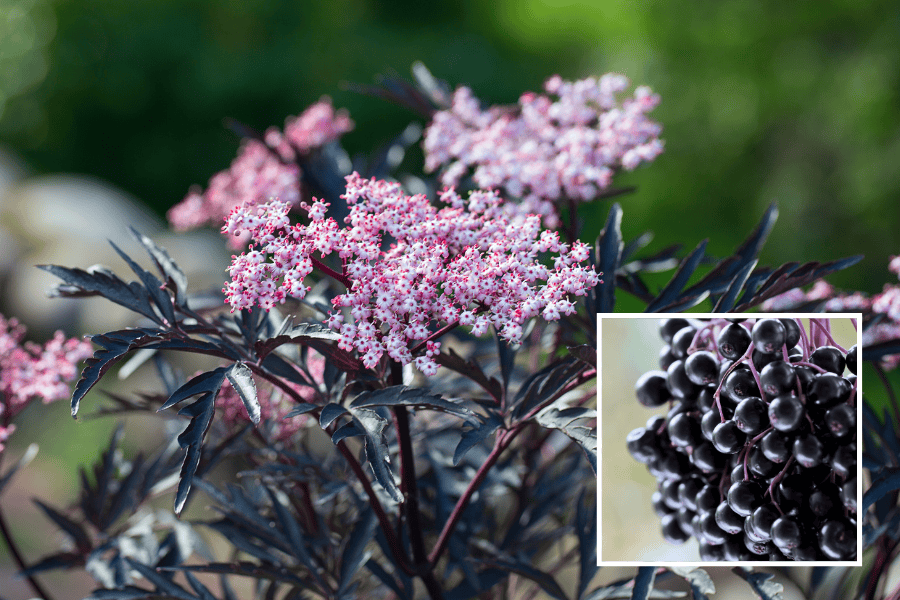
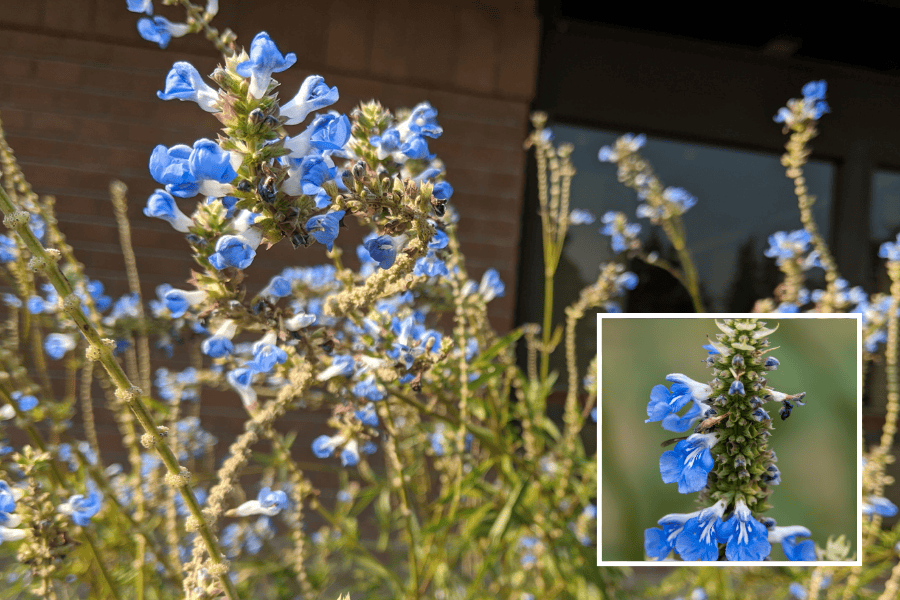
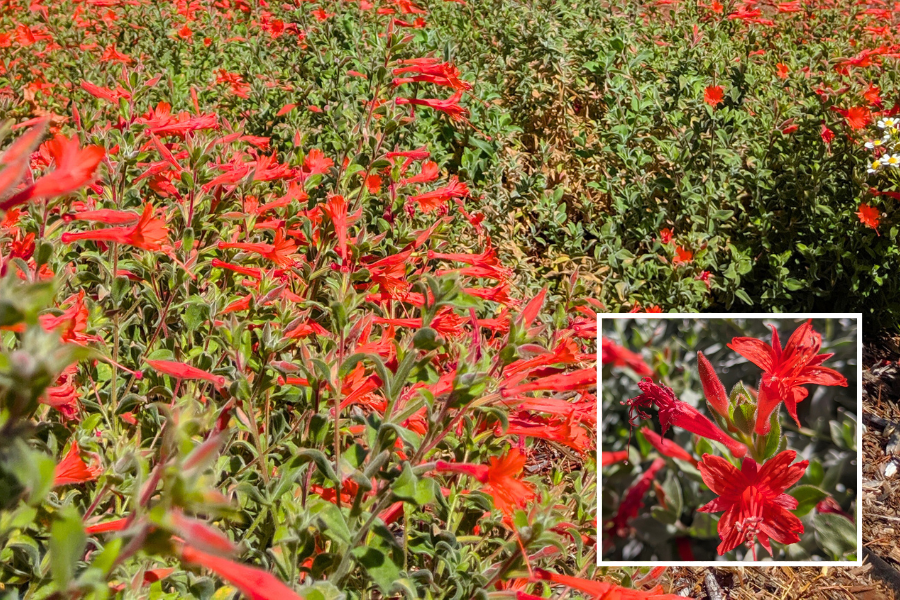
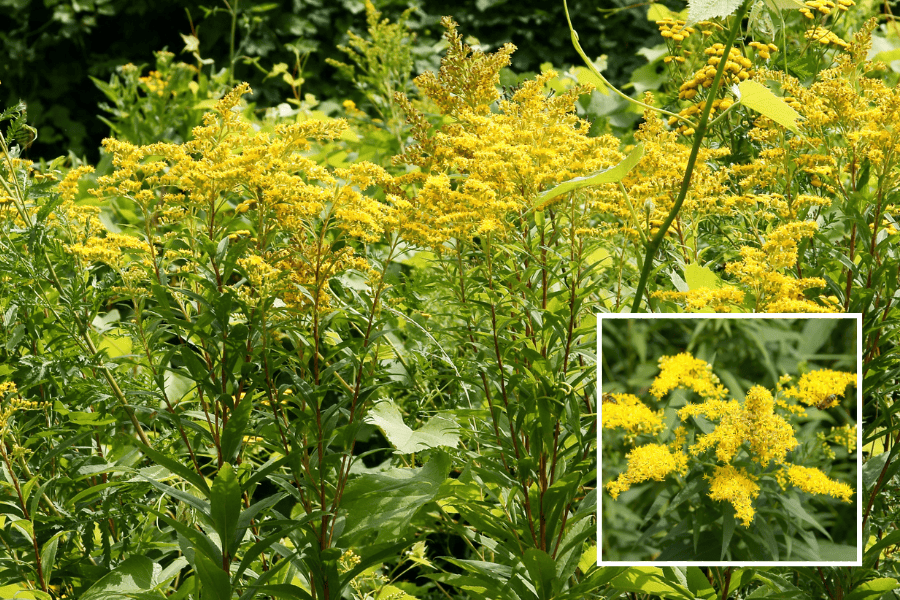
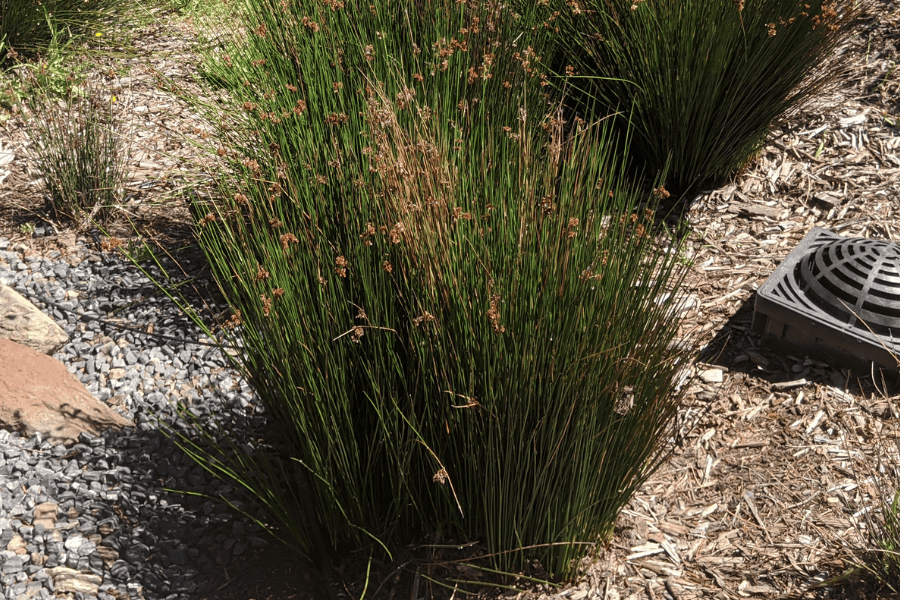
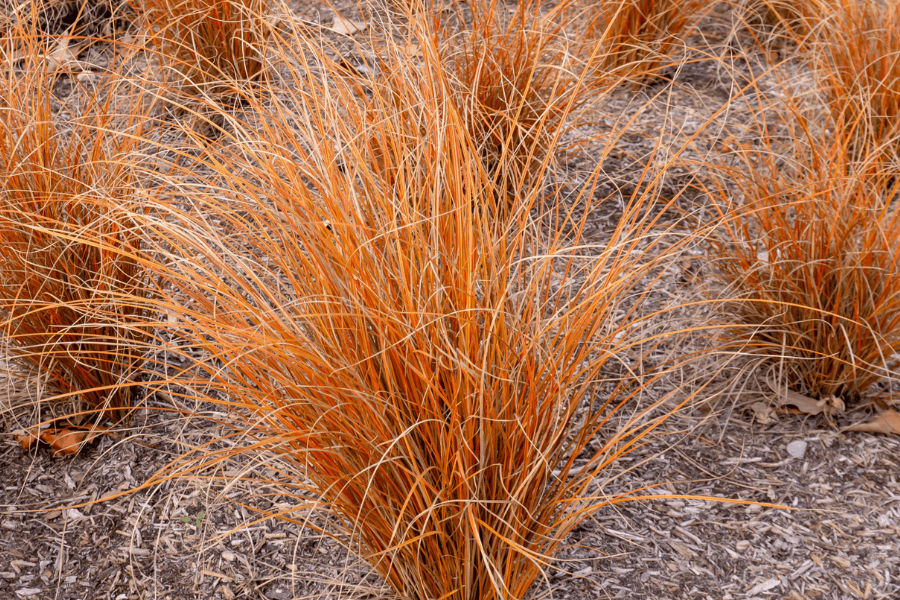
Plants with deep fibrous roots tend to have a competitive advantage in a rain garden and provide the most cleaning and filtration benefits to the environment. Rain gardens are typically populated with natives or native cultivars as these are most well adapted to a locality. Listed below are a few great examples for our region to help you get started: